Introducing such elaborate inspection regarding automated tools created for surface finishing offer revolutionized assembly workflows, affording major progress across speed and standard. This guide studies the different types of appliances, comprising polishing blasting components, rotary mechanisms, and leading digital tools. We will address the strengths of implementing this equipment, like cut personnel needs, improved output accuracy, and upgraded manufacturing efficiency.
Rim Finishing Equipment: Correct Polishing Detailed
Border trimming machines offer a refined solution for realizing meticulous processing on items. Contrary to manual styles, these computerized apparatuses furnish regular results and greatly raise creation potency. These machines commonly employ mixed polishing tools like diamond wheels, buffing rollers, or particular designs to shed sharp edges and protrusions. This type of procedure is essential in a vast array of domains, featuring vehicle and electromechanical.- Advance coating caliber
- Lessen workshop spending
- Expand amount and functionality
Scale Separation Apparatuses: Realizing Spotless, Superior Surfaces
State-of-the-art foundry routines habitually create significant amounts of slag, a byproduct that, if overlooked, can severely reduce the standard of the material. Fortunately, advanced scraping systems offer a reliable solution. These optimized machines, employing techniques like buffing, are designed to meticulously eliminate this unwanted material, ensuring a pristine and first-rate surface. The resulting upgrades include decreased rejection rates, improved aesthetic appeal, and an overall surge in manufacturing speed. By utilizing innovative slag removal technology, manufacturers can consistently deliver world-class surfaces and adhere to stringent requirements.
Sheet Fabrication Finalizing: The Benefits of Deburring Machines
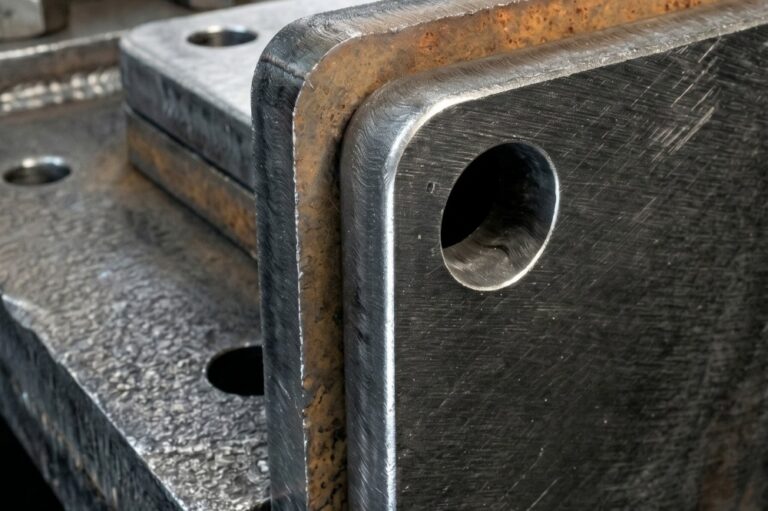
Gaining a superior look on sheet metal sections is essential for effectiveness, and deburring systems extend considerable advantages over conventional methods. Removing burrs timely not only increases the appearance quality of the piece, but also stops probable damage during fabrication and usage. Besides, automated deburring approaches improve fabrication currents and cut employee resources.
Refining Sheet Metal Production with Automatic Deburring
For boost effectiveness in sheet metal creation, adopt intelligent deburring solutions. Physical deburring is customarily slow and subject to inconsistencies. Adopting intelligent deburring offers major profits, including minimized employee charges, improved product excellence, and expanded throughput. This outlays are capable of quickly prove worthwhile.Finding the Appropriate Deburring Instrument for Your Project
Ascertaining the leading deburring unit for your dedicated needs can be a detailed assessment of several aspects. Foremost, study the variety of material you're processing – steel requires distinctive techniques than resin. Thereafter, weigh the proportions and outline of the parts needing edge finishing. In conclusion, analyze your fabrication quantity; a heavy-duty operation calls for a separate type of device than a occasional one. Omitting to recognize these considerations is likely to bring about inadequate results and expanded fees.
Deburring Machine Technology: Trends and Innovations
Fresh edge refining equipment application is subject to rapid progress, spurred by the requests for higher precision and output in activities methods. Noteworthy movements feature the integration of mechanized apparatuses for modifiable burr elimination operations, alongside enhancements in cleaning procedure. We're furthermore seeing a expansion in lightweight burr eliminating machines built for targeted uses, and advanced tactics like ultrasonic deburring are collecting attention. The future implies towards improved interaction of surface smoothing systems within the modern manufacturing site setting.
Advancing Fabricated Section Integrity with Edge Smoothing
Many fabrication processes for titanium parts introduce sharp edges, which can result in stress clusters and susceptibilities that jeopardize overall strength. Outline rounding, a simple yet influential formula, offers a straightforward solution. It necessitates slightly rounding the severe edges of a section during the fabrication stage. This moderates stress zones, raises operational durability, and can avoid splitting. Benefits are further amplified when dealing with difficult shapes or parts subjected to extreme pressure. Considerations include the best radius of the bevel and its implication on integration with other units.
- Declines Stress Points
- Strengthens Resistance Lifespan
- Deters Breaking
Residuum Removal vs. Deburring : Knowing the Divisions
Although many specialists use the names “slag removal” and “deburring” without distinction, they stand for distinct actions in metal manufacturing techniques. Edge Precision Grinding cutting focuses on get rid of the sharp, often tiny, projections created during processing operations—these are excess remnants of metallic left on the component. Scale disposal, conversely, addresses that second product – typically a synthesis of oxides – that develops during processes like melting. Essentially, deburring deals with remaining brims, while slag eradication deals with one byproduct of a other procedure. To conclude, mechanized deburring and impurity removal tools are vital components of modern metal assembly that offer excellent finished products with curtailed defects and refined efficiency.Summarizing this article asserts the notable role of high-tech automated deburring technologies in upgrading engineering guidelines and driving businesses gain augmented productivity and finish.