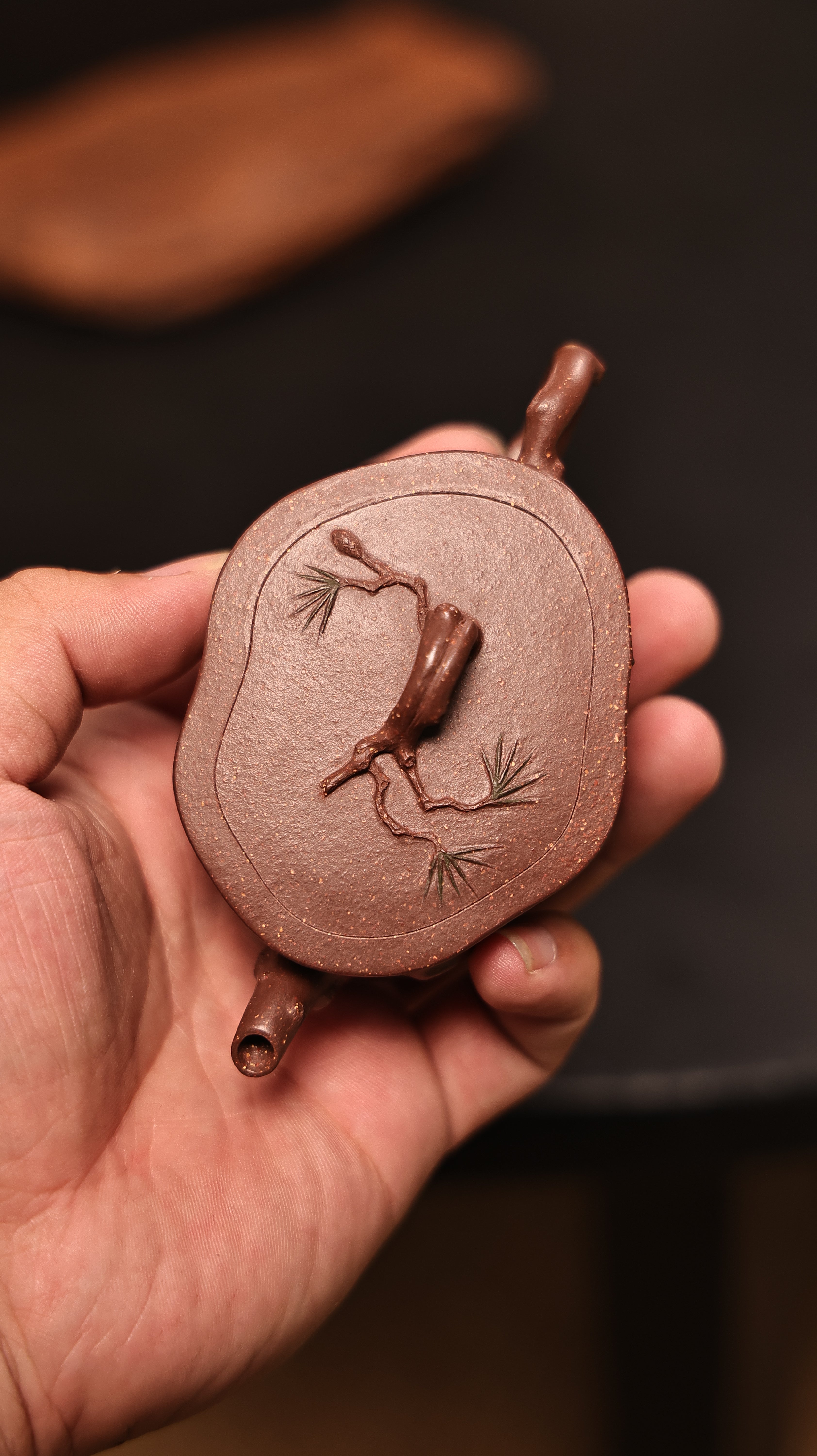
Millennia of fans have long valued the special attraction of Yixing Zisha containers. Coming in the scenic town of Yixing, the homeland, these amphorae are fabricated from a exotic and harvested purple clay distinguished for its unmatched thermal aspects and efficacy to intensify the savor of liquids. Exceeding their effective importance, Zisha teapots represent a extensive social foundation, transforming them exceptionally collectible and a true treasure for any zealous teapot devotee.
Discovering Yixing Ware
Such teapots represent a distinct unification of history and masterful craftsmanship. Emerging in Yixing, Jiangsu Province of China, their narrative commences in the Ming Dynasty, although signs suggest earlier versions. The singular burgundy clay, called Zisha, found particularly in the Yixing region, is the crucial component, contributing to the pots' superior heat keeping and the manner they modify the flavor of tea. Sequences of potters have developed techniques—often inherited through families—including designing the clay, applying complex embellishments, and firing the pots at exact temperatures.- Earlier, Yixing teapots were often enhanced with simple designs.
- Subsequently, more refined carvings and representative motifs became trendy.
- The baking procedure itself is a vital element, requiring extensive periods of mastery.
Collecting Zisha Teapots: Vital Considerations
Launching a quest to secure Zisha teapots can be enjoyable, but it’s essential to comprehend what to consider. Authenticity is important; focus on the soil’s natural tinge, a delicate reddish-brown is conventional. Examine the texture; genuine Zisha has a special tactile sensation, often noted as slightly textured. The outline should be aesthetically sound and consistent with antique styles, while labels, if present, require close examination for truthfulness. Don’t hesitate to consult with expert authorities or reputable contacts – their guidance is invaluable.
Traditional Pitchers: Researching the Custom of authentic Pottery
Centuries have seen Yixing Zisha Clay teapots possess a remarkable role in Chinese culture. These finely fashioned pots, sourced Zisha Teapot exclusively from the region of Yixing, are renowned for their recognizable tint, quality, and their ability to enrich the aroma of brews. Several collectors value antique Yixing teapots, treasuring them considerably not only for their aesthetic elegance, but also for the legacy they represent.
Yixing Zisha Teapots: The Finest Varieties and Their Attributes
Zisha Clay teapots, sourced from the authentic territory of Yixing, the Chinese territory, are esteemed for their exceptional clay and excellent brewing powers. Inside the numerous Zisha types, those classes that are highly coveted include Tianqing. Binzhou, known for its strong purple shade and sleek texture, delivers a mild flavor. Duan Ni Zisha, recognizable by its orangish color and partially grainy feel, is viewed to enhance a robustness. Lastly, Zhuni variety boasts an infrequent crimson tone and can impart a nice nuance. Each category grants a special experience, causing them highly desirable regarding concoction enthusiasts.
Conquering One’s Zisha Teapot
To reveal the power of your Yixing vessel, understanding the correct modus operandi is indispensable. These clay teapots, celebrated for their absorbency, will eventually assimilate the character of the tea you brew within them. Begin by cleansing the pot thoroughly with hot water. Then, use only excellent full leaf tea, as lower quality options can ruin the item’s delicate aroma. Always allow the leaves to bloom completely, and remember that with each session, your Yixing jar will become steadily unique.
Conserving Your Priceless Zisha Treasure
Proper upkeep for your Zisha kettle is imperative to protecting its integrity and importance. Zisha clay, celebrated for its unique shade and composition, requires mindful handling. Never use harsh solutions, as these can damage the veneer. After every session, rinse the pitcher with lukewarm water and allow it to evacuate moisture completely.
- Refrain from soaking the pitcher for extended times.
- Sometimes use a soft towel to dress the exterior.
- Consider applying a thin layer of food-grade fat inside the jar after drying, which can reduce staining.
Fundamentals of Yixing Pitchers
Yixing clay pots, originating from the Yixing district in Jiangsu Province, China, are celebrated for their distinctive features. Constructed from the unique purple clay known as Zisha, these kettles are prized by potion enthusiasts worldwide. This guide will gently explain the essentials – covering brands of Zisha dirt, favored shapes, and crucial care notes. Understanding the genesis of Yixing clay pots can expand your appreciation for this classic example of Eastern craftsmanship.
Trade of Chinese Clay Pots: Spotlighting Zisha native to the Yixing territory
Zisha pottery from the Yixing region represents the summit of Oriental pitcher design, demonstrating a unique mixture of authentic beauty and utilitarian artistry. These distinguished pieces are acclaimed for their dynamic tints, often ranging from deep purples and brown hues to gentle greys and pale beiges. The distinct mineral composition of the area’s Zisha material imparts a defining texture and yields a enjoyable aroma that increases the whole drink experience, resulting in them strongly valued collectibles and necessary components of any serious ritual.