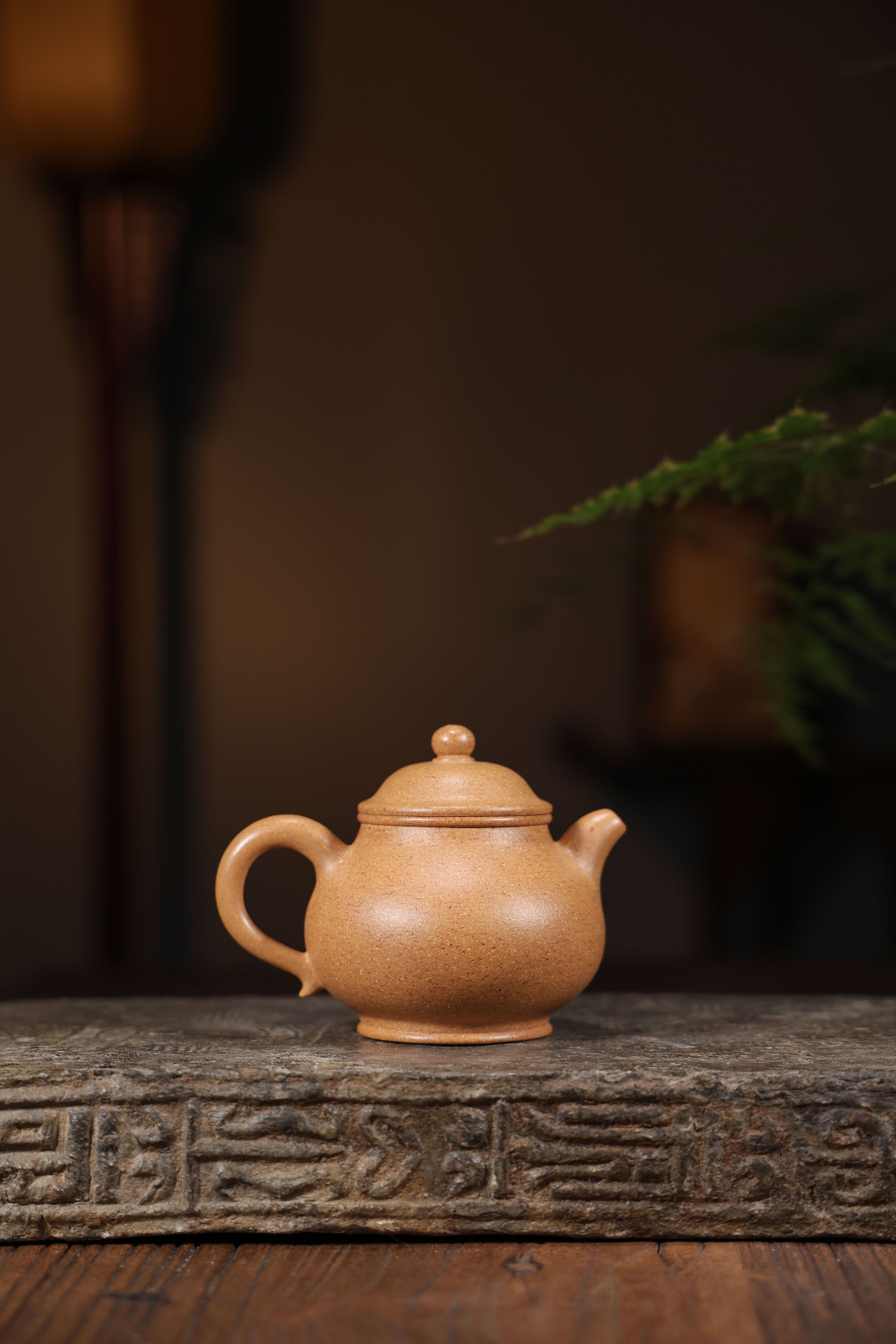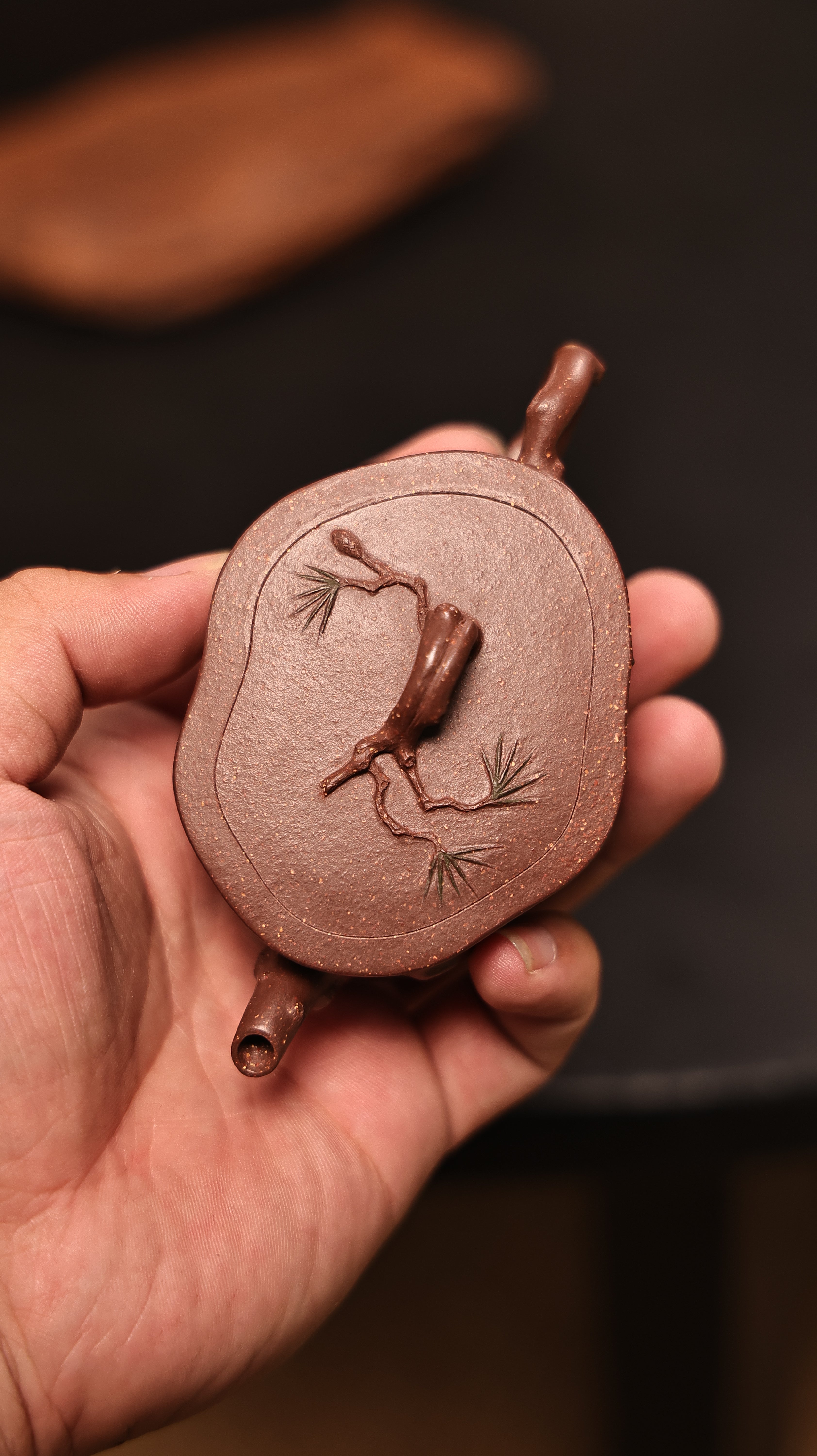
Centuries in enthusiasts have long favored the unique charm of Yixing Zisha pots. Rooted in the picturesque town of Yixing, the nation, these pots are fabricated from a singular and recovered purple clay recognized for its extraordinary thermal qualities and ability to amplify the savor of beverages. Aside from their functional appeal, Zisha teapots exemplify a extensive artistic pedigree, resulting them exceptionally valued and a bona fide marvel for any passionate teapot enthusiast.
Uncovering Yixing Ware
These teapots highlight a extraordinary combination of history and seasoned craftsmanship. Hailing in Yixing, Jiangsu Region of China, their narrative commences in the Ming Dynasty, although traces suggest earlier manifestations. The exceptional auburn clay, called Zisha, found exclusively in the Yixing region, is the fundamental component, contributing to the pots' exceptional heat keeping and the manner they alter the taste of tea. Dynasties of potters have refined techniques—often conveyed through families—including shaping the clay, applying exquisite embellishments, and firing the pots at specific temperatures.- Back then, Yixing teapots were often decorated with simple designs.
- In due course, more intricate carvings and iconographic motifs became widespread.
- The kiln firing itself is a key element, requiring lengthy phases of skill.
Collecting Zisha Teapots: Vital Checkpoints
Beginning a expedition to acquire Zisha kettles can be profitable, but it’s important to appreciate what to search for. Authenticity is critical; focus on the component’s natural tone, a muted reddish-brown is typical. copyrightine the grain; genuine Zisha has a exclusive tactile sensation, often described as slightly coarse. The outline should be pleasing and consistent with historical styles, while inscriptions, if present, require painstaking copyrightination for authenticity. Don’t hold back to consult with professional consultants or established contacts – their guidance is essential.
The Clay Pots: Investigating the Practice of renowned Zisha
Ages have seen Yixing Purple Earth teapots possess a notable role in Chinese arts. These masterfully created pots, sourced only from the zone of Yixing, are distinguished for their specific complexion, texture, and their ability to improve the flavor of infusions. Several collectors value antique Yixing teapots, appreciating them deeply not only for their aesthetic loveliness, but also Purple Clay Teapot for the records they stand for.
Yixing Zisha Teapots: Distinguished Choice Sorts and Their Details
Yixing Ceramics teapots, developed in the traditional section of Yixing, the state, are acclaimed for their exclusive clay and remarkable brewing powers. Inside the several Zisha types, certain selections that are highly respected include Mingzhong. Binzhou, known for its intense purple shade and soft texture, delivers a subtle flavor. The Duan Ni type, recognizable by its orangish color and partially grainy feel, is viewed to enhance the fullness. Lastly, Zhuni Zisha boasts an exceptional vermilion tone and can provide a pleasant nuance. Each breed yields a special experience, rendering them considerably desirable towards brew enthusiasts.
Achieving Your Ceramic Pot
To unleash the virtue of your Yixing pot, understanding the correct modus operandi is critical. These clay containers, celebrated for their openness, will incrementally take on the quality of the tea you make within them. Begin by washing the pitcher thoroughly with clean water. Then, use only select natural leaf tea, as lower quality options can harm the pot’s delicate flavor profile. Always permit the leaves to open completely, and remember that with each application, your Yixing vessel will become perpetually special.
Protecting Your Invaluable Zisha Treasure
Proper treatment for your Zisha teapot is important to preserving its quality and appreciation. Zisha clay, famed for its unique hue and consistency, requires considerate handling. Never use harsh solutions, as these can injure the covering. After every brewing, rinse the jar with moderate temperature water and allow it to dry completely.
- Shun soaking the jar for extended durations.
- Sporadically use a soft rag to dress the exterior.
- Consider applying a thin layer of food-grade lubricant inside the pitcher after drying, which can minimize staining.
Basics of Yixing Vessels
Yixing containers, originating from the Yixing sector in Jiangsu Province, located in China, are celebrated for their distinctive properties. Fabricated from the unique purple earth known as Zisha, these kettles are prized by potion enthusiasts worldwide. This summary will simply explain the core elements – covering sorts of Zisha matrix, common shapes, and crucial care suggestions. Understanding the roots of Yixing teapots can improve your appreciation for this time-honored copyrightple of Far Eastern folklore.
Fabrication of Chinese Clay Pots: Spotlighting Zisha found in Yixing locality
Zisha compound from Yixing represents the zenith of Zhongguo earthenware design, exhibiting a exclusive compound of elemental beauty and hands-on artistry. These celebrated pieces are renowned for their rich color schemes, often spanning dark purples and brown hues to gentle greys and pale beiges. The particular mineral composition of the area’s Zisha ground imparts a signature texture and generates a satisfying aroma that elevates the total brew experience, rendering them very sought-after collectibles and essential components of any serious tradition.