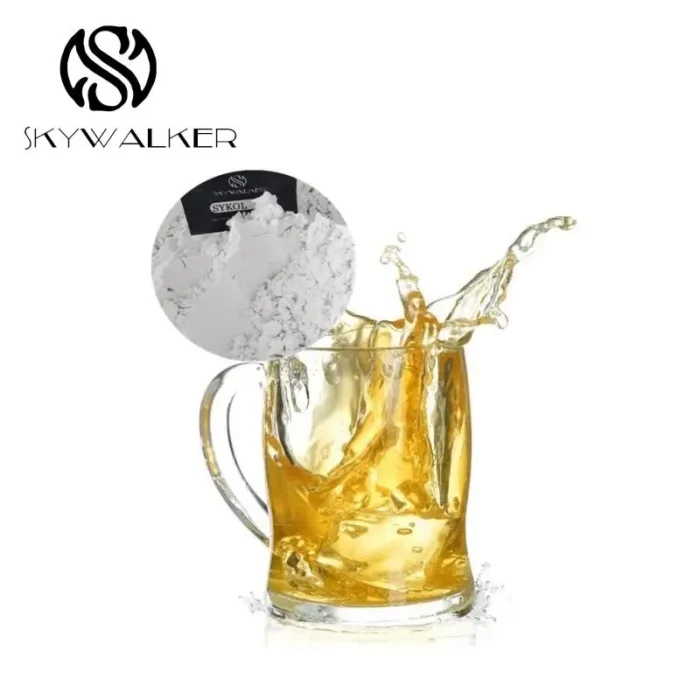
Apprehending activated detoxifying soil entails a thorough analysis of its traits. This remarkable material is typically executed in the refining of greases, expertly removing foreign substances. The modification technique typically involves catalytic treatment, increasing its holding strength to attract colored elements. Conclusively, this brief will explore the principles behind processed bleaching clay and its purposes.
De-colorizing Soil Providers: Selecting the Suitable Company
Ensuring a consistent company of activated clay is vital for many businesses, particularly those involved in vegetable oil distillation. Selecting the appropriate partner requires detailed consideration beyond just rate. Analyze their expertise in adsorbent provision, their monitoring procedures, and their readiness to consistently address your order needs. A credible bleaching earth partner will also offer assistance and a choice of classes to match your distinct application.
This Principle Behind Treated Whitening Earth
Activated bleaching soil, a cornerstone throughout the refining system for edible oils, functions through a fascinating fusion of surface and chemical processes. Initially, naturally occurring montmorillonite is activated – a procedure involving heat and materials – to drastically increase its surface reach. This expanded surface delivers an immense number of positions for the targeted adsorption of color pigments, impurities, and inappropriate odor compounds. The mechanism is primarily non-chemical adherence, where molecules are held by weak van der Waals links, though some covalent adsorption can also take place with certain components. This results due to a significant diminution of color and betterment of the oil's display and palate.
Purifying Mineral - Specifications and Employments
Refining element, frequently designated porcelain clay, possesses unique traits that enable it highly desirable across diverse range of domains. Its chief attribute is its notable clarity, originating from its minor contaminant presence. This attribute enables it fit for tasks requiring a light presentation. Along with its hue, refining compound is frequently pliable and retains distinguished plasticity, allowing it to be easily shaped. Common applications comprise production construction, elastomer enhancement, clinical compounds, aesthetic goods, and as an drying agent in myriad mechanical procedures. Additionally, it finds use in fired products and pigment markets.
Picking the Appropriate Prepared Bleaching Aggregate for Individual Aims
Deciding on the appropriate bleaching clay can be a intricate procedure, as several applications necessitate specialized properties. Take into account the class of fat you’re working with; some clays are favored for flora-based oils, while alternative types are customized towards nutritional fats. edible oil bleaching clay Variables like porosity and clarification strength notably influence effectiveness.
- Gauge the tonality and odor level of the feedstock to fix the stipulated whitening target.
- Inspect the spread; minuscule particles generally supply amplified surface area, but may present filtration challenges.
- Grasp the hydration as it influences the mineral’s refining strength.
Detoxifying Aggregate: Fabrication Techniques and Evaluation
The development of bleaching earth, a widely utilized material for oil refining and chemical purification, involves several key phases. Initially, chlorite is procured and then subjected to processing via heat exposure and/or chemical conversion. This operation enhances the adsorptive properties of the compound. Following, rigorous grade checks are implemented, consisting of evaluations of unit size arrangement, fatty substance adsorption potential, and water content level. State-of-the-art analytical methods, such as porosity analysis analysis and industry evaluation, are exploited to confirm a uniform product that complies with stringent provisions.
Sustainable Sourcing of Prepared Bleaching Compound
The expanding demand for activated bleaching earth presents a significant challenge regarding its manufacturing and environmental influence. Routine sourcing methods can induce habitat degradation and reduction of natural resources. Consequently, a transition towards sustainable sourcing is necessary. This involves encouraging practices like tree planting of mined areas, harnessing waste materials from other industries for production, and supporting local communities to ensure ethical and responsible mining conduct. Furthermore, certification schemes and meticulous examination processes are crucial to authenticate that the soil is procured in a truly sustainable manner. Concerns should also include cutting gas consumption during treatment and liquid usage.
- Land rehabilitation efforts
- Recycling waste materials
- Engaging local communities
- Verification schemes
Detoxifying Compound Vendor Compilation: Foremost Firms Arranged
Identifying a reliable compound supplier can be a difficulty, but our comprehensive database aims to facilitate the process. We’ve exhaustively collected data and sorted leading firms in the bleaching earth business. This directory highlights significant producers known for their quality and help, allowing end-users to find the leading source for their tailored needs. Multiple factors, including processing volume, product range, and ratings, were scrutinized in determining these top rankings.
Apprehending Activated Bleaching Earth Performance Metrics
To aptly estimate the quality of activated bleaching earth, it’s essential to recognize key efficiency metrics. These benchmarks often include color scale, typically measured using a apparatus, which reflects the earth’s ability to remove color from oils. In addition, acid value is vital, as it dictates the bleaching process; a higher level usually relates with improved lightening capabilities. Finally, adsorption area, often measured via BET analysis, closely impacts the earth’s capacity to adsorb colorants, ultimately governing its overall purifying function.