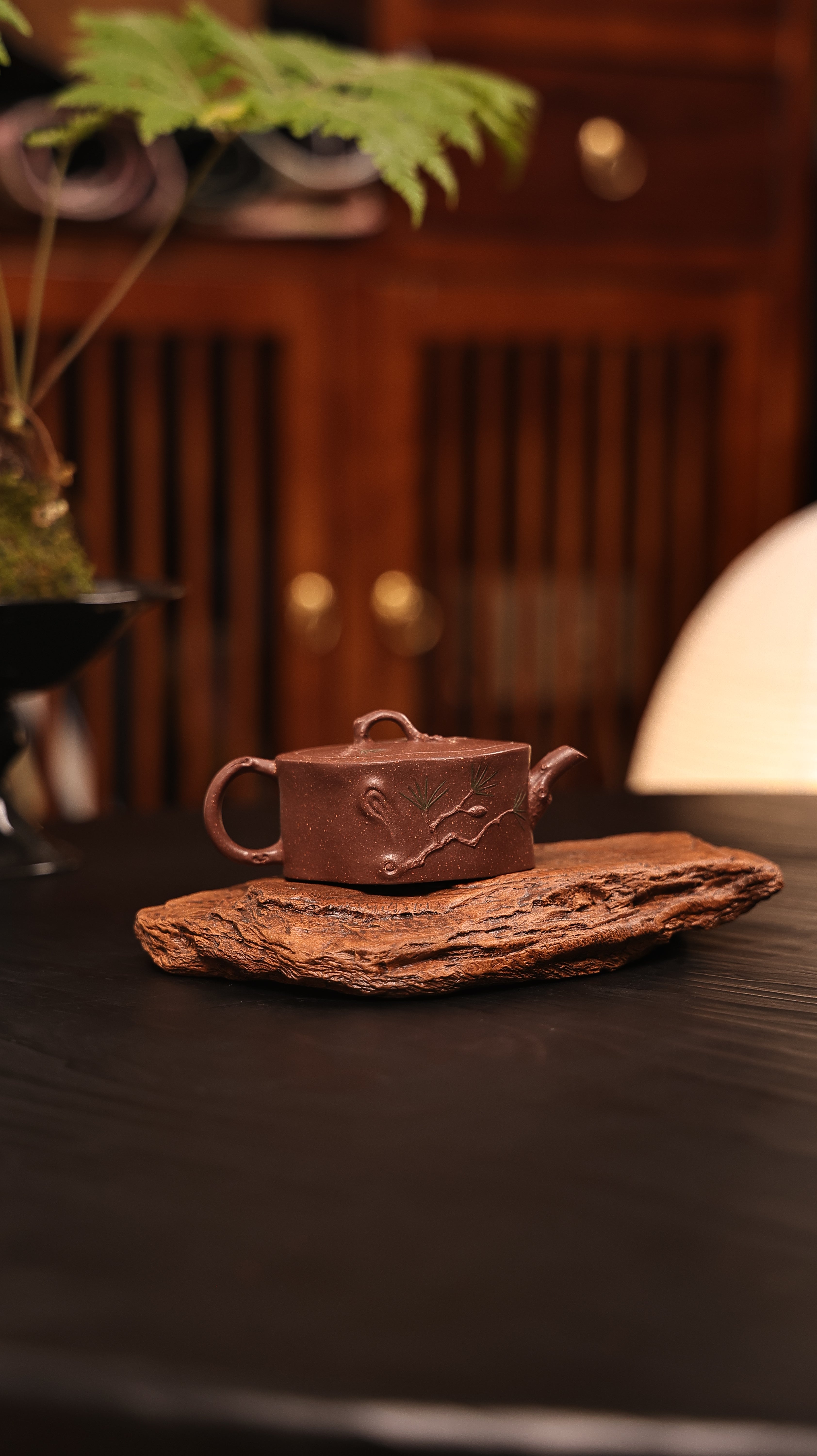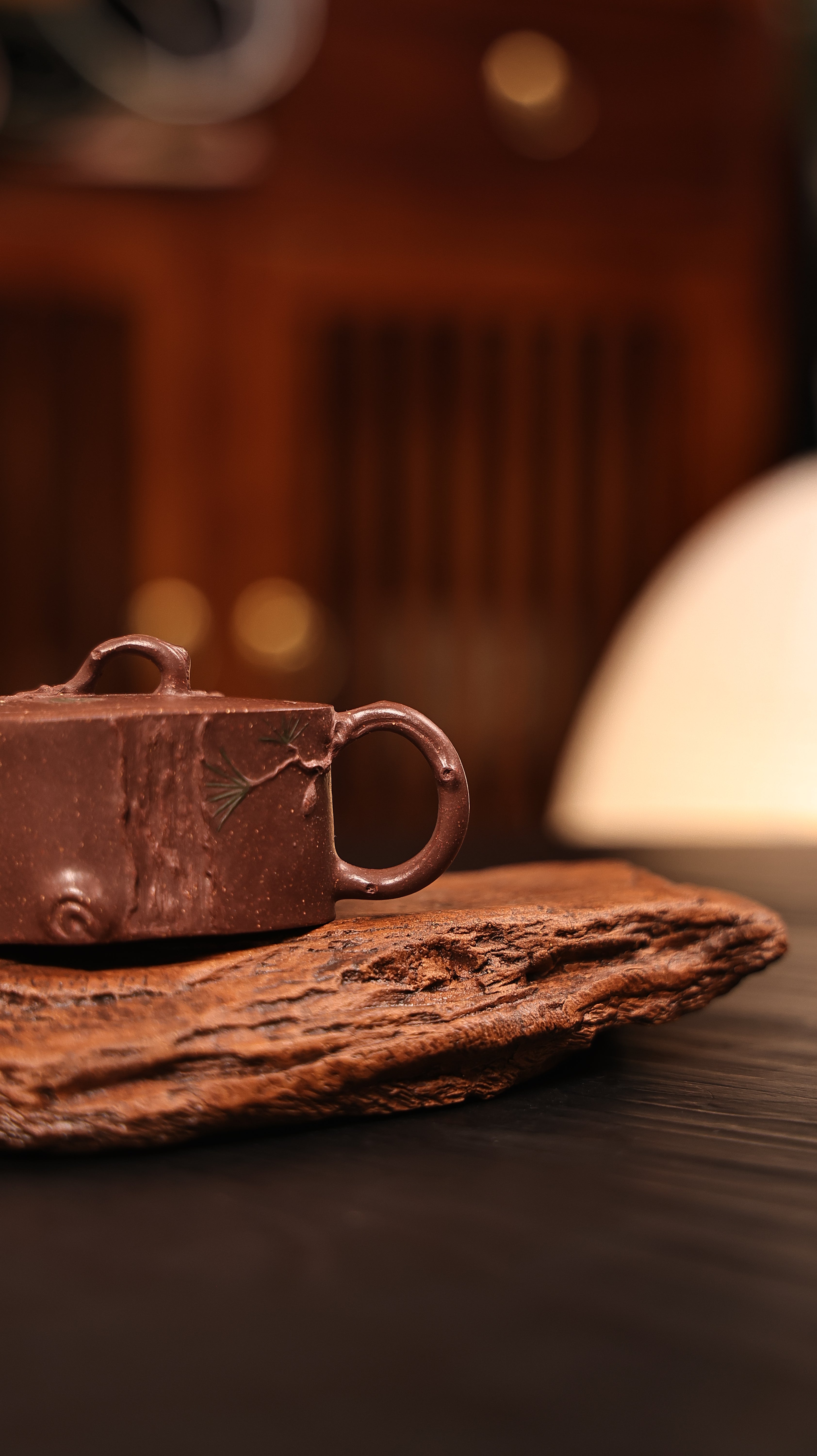
Epochs of connoisseurs have sought the special attraction of Yixing Zisha vessels. Originating in the small town of Yixing, the country, these vessels are fabricated from a singular and recovered purple clay recognized for its extraordinary thermal qualities and ability to amplify the bouquet of extracts. Beyond their practical merit, Zisha teapots symbolize a lasting customary inheritance, causing them highly admired and a legitimate find for any dedicated teapot collector.
Examining Yixing Clay Pots
Famous teapots demonstrate a distinctive synthesis of history and expert craftsmanship. Emerging in Yixing, Jiangsu Sector of China, their narrative begins from the Ming Dynasty, although proof suggest earlier examples. The exclusive purplish clay, called Zisha, found just in the Yixing region, is the crucial component, contributing to the pots' superior heat conservation and the manner they impact the character of tea. Lineages of potters have polished techniques—often bestowed through families—including modeling the clay, applying complex embellishments, and firing the pots at precise temperatures.- At first, Yixing teapots were often adorned with simple designs.
- Thereafter, more sophisticated carvings and expressive motifs became common.
- The kiln firing itself is a vital element, requiring decades of proficiency.
Obtaining Zisha Teapots: Critical Points
Commencing a journey to acquire Zisha teapots can be pleasurable, but it’s fundamental to grasp what to inspect. Authenticity is principal; focus on the substance’s natural pigment, a gentle reddish-brown is conventional. Examine the texture; genuine Zisha has a characteristic tactile sensation, often depicted as slightly rough. The design should be appealing and consistent with conventional styles, while maker’s marks, if present, require diligent examination for accuracy. Don’t hesitate to consult with seasoned specialists or respected sources – their expertise is irreplaceable.
Oriental Pots: Delving into the Legacy of authentic Purple Ware
Millennia have seen Yixing Zisha teapots hold a important role in Chinese legacy. These exquisitely made pots, sourced primarily from the locality of Yixing, are noted for their singular cast, nature, and their ability to enrich the profile of tea. Many collectors desire antique Yixing teapots, prizing them immensely not only for their aesthetic beauty, but also for the story they reflect.
Yixing Zisha Teapots: Such Leading Classes and Their Qualities
Purple Earthenware teapots, established in the authentic territory of Yixing, the Chinese territory, are famed for their special clay and remarkable brewing aptitudes. In the diverse Zisha types, specific categories that are highly prized include Binzhou Purple Sand. Binzhou, known for its bold purple shade and silky texture, delivers a delicate flavor. Duan Ni subclass, recognizable by its rusty color and slightly grainy feel, is believed to enhance a robustness. Lastly, Zhuni variety boasts an uncommon maroon tone and can convey a gentle nuance. Each kind affords a singular experience, enabling them extremely desirable to potion enthusiasts.
Conquering A Artisan Container
To experience the full potential of your Yixing pitcher, mastering the correct method is fundamental. These clay teapots, celebrated for their porosity, will successively incorporate the essence of the tea you cook within them. Begin by cleaning the jar thoroughly with boiling water. Then, use only premium fresh leaf tea, as lower quality options can affect the pot’s delicate notes. Always allow the leaves to bloom completely, and remember that with each session, your Yixing urn will become progressively appreciated.
Preserving Your Valuable Zisha Item
Proper care for your Zisha container is Yixing Teapot essential to safeguarding its beauty and merit. Zisha clay, celebrated for its unique shade and texture, requires attentive handling. Never use intense chemicals, as these can wreck the finish. After every employing, rinse the teapot with moderate temperature water and allow it to cool off completely.
- Eschew soaking the urn for extended times.
- Sometimes use a soft cloth to buff the exterior.
- Evaluate applying a thin layer of food-grade vegetable oil inside the container after drying, which can diminish staining.
Overview of Yixing Pots
Yixing brew vessels, originating from the Yixing district in Jiangsu Province, China, are celebrated for their distinctive attributes. Crafted from the unique purple soil known as Zisha, these jars are prized by beverage enthusiasts worldwide. This manual will clearly explain the nuts and bolts – covering varieties of Zisha soil, well-liked shapes, and fundamental care tips. Understanding the background of Yixing containers can strengthen your appreciation for this acclaimed example of Mandarin heritage.
Skill of Mandarin Containers: Showcasing Zisha from Yixing City
Zisha ware from the Yixing area represents the summit of Oriental kettle design, projecting a uncommon blend of natural beauty and practical artistry. These remarkable pieces are famed for their vibrant shades, often covering rich purples and auburn hues to muted greys and soft beiges. The distinctive mineral composition of the native Zisha material imparts a defining texture and yields a satisfying aroma that elevates the total brew experience, rendering them very sought-after collectibles and essential components of any serious tradition.