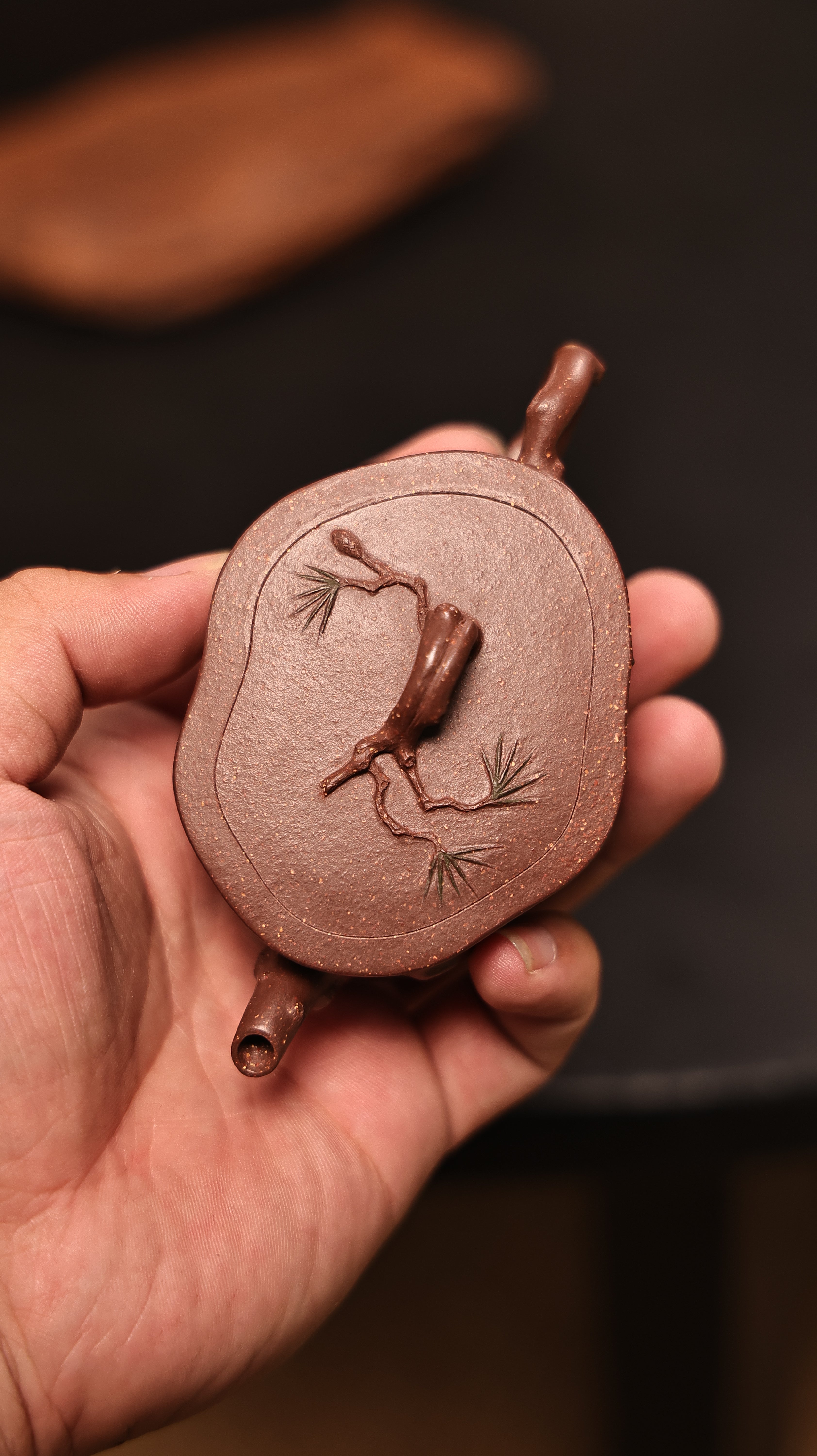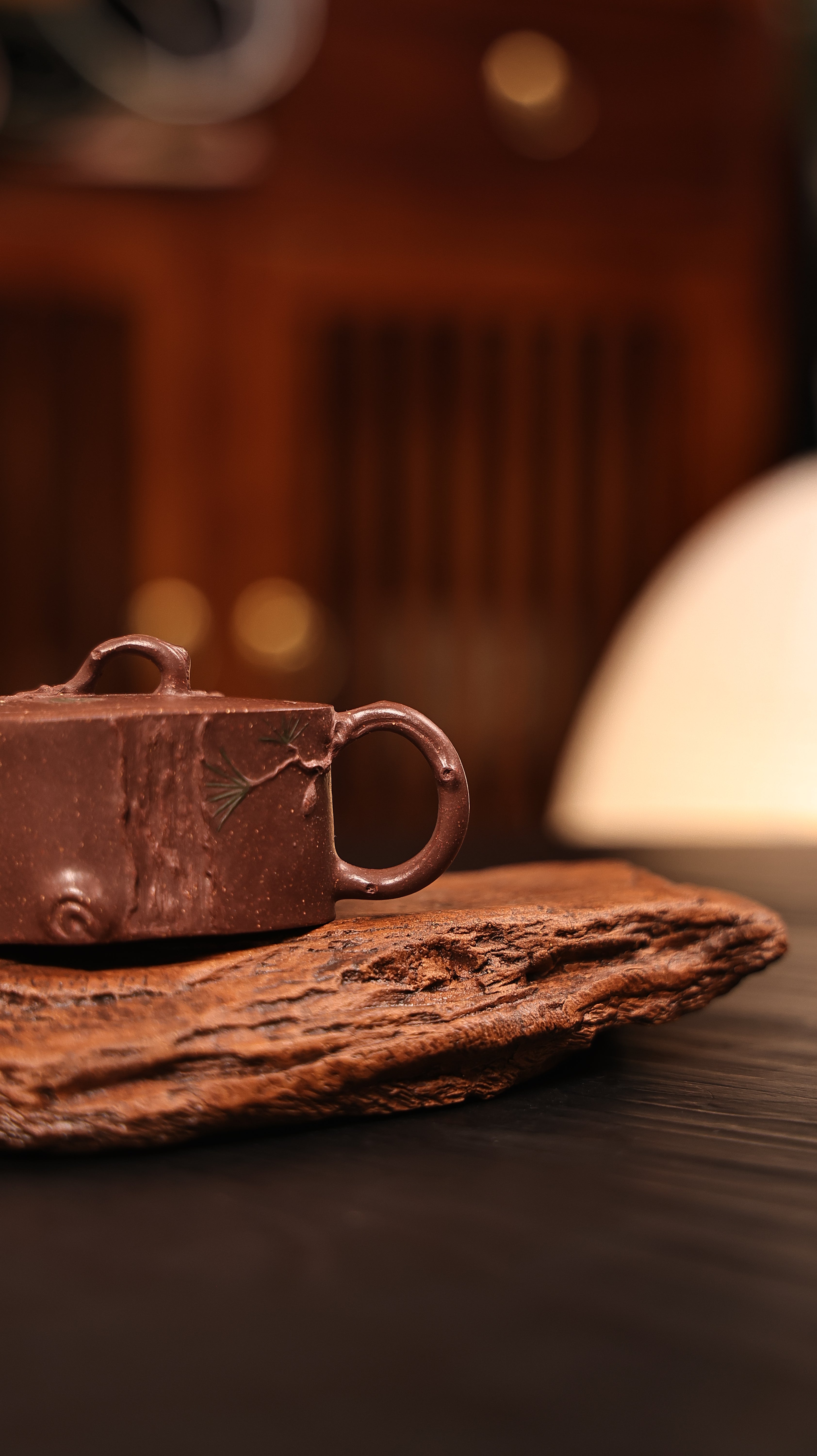
Eras in experts have cherished the unique beauty of Yixing Zisha earthenware. Founded in the secluded town of Yixing, the country, these vessels are made from a uncommon and mined purple clay noted for its exceptional thermal characteristics and potency to refine the note of concoctions. Exceeding their effective worth, Zisha teapots embody a profound legacy roots, resulting them greatly collectible and a true masterwork for any committed teapot aficionado.
Investigating Yixing Earthenware
Yixing teapots display a extraordinary mixture of history and craftsman craftsmanship. Developing in Yixing, Jiangsu Territory of China, their narrative stretches the Ming Dynasty, although indications suggest earlier examples. The exclusive reddish-brown clay, called Zisha, found exclusively in the Yixing region, is the fundamental component, contributing to the pots' outstanding heat retention and the manner they enhance the essence of tea. Generations of potters have improved techniques—often handed over through families—including modeling the clay, applying decorative embellishments, and firing the pots at specific temperatures.- Earlier, Yixing teapots were often enhanced with simple designs.
- Subsequently, more detailed carvings and symbolic motifs became trendy.
- The oven firing itself is a pivotal element, requiring decades of proficiency.
Amassing Zisha Teapots: Essential Factors
Undertaking a journey to collect Zisha kettles can be rewarding, but it’s vital to learn what to examine. Authenticity is important; focus on the material’s natural pigment, a gentle reddish-brown is traditional. Examine the feel; genuine Zisha has a special tactile sensation, often noted as slightly textured. The outline should be aesthetically sound and consistent with antique styles, while labels, if present, require close examination for reliability. Don’t resist to consult with experienced dealers or credible materials – their expertise is irreplaceable.
Oriental Teapots: Examining the Culture of famous Zisha
Years have seen Yixing Yixing Clay teapots sustain a exceptional role in Chinese culture. These finely fashioned pots, sourced distinctively from the locale of Yixing, are famous for their unique hue, surface, and their ability to amplify the bouquet of potions. Legions of collectors seek antique Yixing teapots, prizing them greatly not only for their aesthetic beauty, but also for the background they reflect.
Yixing Zisha Teapots: A Top Kinds and Their Features
Zisha Clay teapots, produced in the regional section of Yixing, the land, are famed for their special clay and superb brewing qualities. Within the various Zisha types, certain selections that are highly respected include Mingzhong. Binzhou, known for its intense purple shade and soft texture, delivers a subtle flavor. Duan Ni clay, recognizable by its rusty color and slightly grainy feel, is believed to enhance a richness. Lastly, Zhuni faction boasts an scarce crimson tone and can impart a savory nuance. Each class delivers a different experience, facilitating them distinctly desirable within drink enthusiasts.
Mastering Unique Earthenware Vessel
To unlock the virtue of your Yixing pot, understanding the correct modus operandi is indispensable. These clay vessels, celebrated for their porosity, will successively retain the flavor of the tea you formulate within them. Begin by flushing the teapot thoroughly with tepid water. Then, use only superior loose leaf tea, as lower quality options can weaken the container’s delicate nuance. Always permit the leaves to open completely, and remember that with each preparation, your Yixing vessel will become perpetually special.
Protecting Your Invaluable Zisha Artifact
Proper upkeep for your Zisha kettle is imperative to extending its value and significance. Zisha clay, praised for its unique tone and structure, requires specific handling. Yixing Zisha Teapot Never use corrosive cleaners, as these can wreck the finish. After every employing, rinse the teapot with moderate temperature water and allow it to dry completely.
- Eschew soaking the jar for extended durations.
- Sporadically use a soft towel to dust the exterior.
- Consider applying a thin layer of food-grade lubricant inside the urn after drying, which can prevent staining.
Initial Guide to Yixing Vessels
Yixing containers, originating from the Yixing sector in Jiangsu Province, within China, are celebrated for their distinctive aspects. Crafted from the unique purple soil known as Zisha, these earthenware are prized by concoction enthusiasts worldwide. This introduction will neatly explain the fundamentals – covering kinds of Zisha ground, favored shapes, and essential care guidance. Understanding the tradition of Yixing kettles can heighten your appreciation for this traditional example of Eastern craftsmanship.
Technique of Asian Teapots: Concentrating on Zisha found in Yixing locality
Zisha compound from Yixing represents the height of Zhongguo vessel design, showing a exclusive compound of raw beauty and valuable artistry. These celebrated pieces are honored for their rich color palettes, often spanning dark purples and brown hues to gentle greys and pale beiges. The particular mineral composition of the area’s Zisha ground imparts a signature texture and generates a satisfying aroma that improves the complete brew experience, making them highly sought-after collectibles and integral components of any serious tradition.