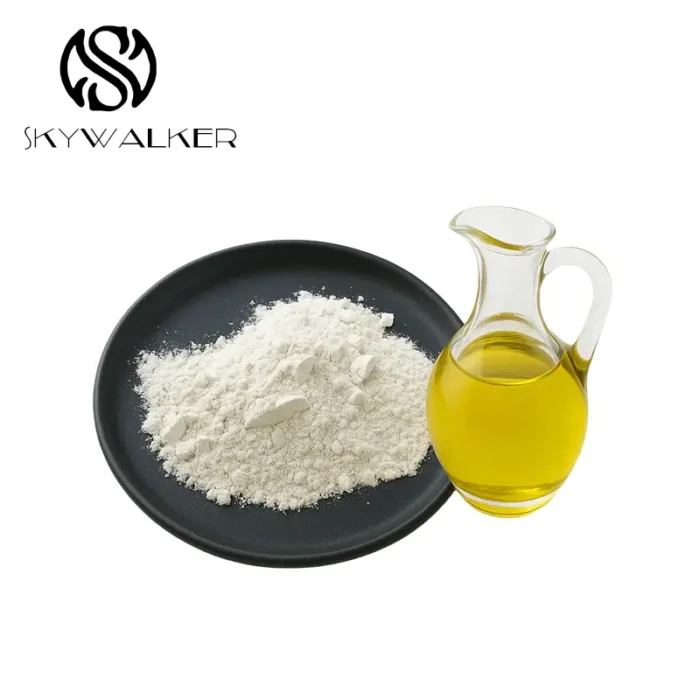
Assimilating treated whitening compound necessitates a detailed scrutiny of its characteristics. This noteworthy element is widely engaged in the filtration of lubricants, skillfully separating impurities. The conversion system typically involves biochemical treatment, enhancing its absorption power to engage colored compounds. Finally, this overview will discuss the basics behind refined bleaching soil and its uses.
Whitening Material Manufacturers: Securing the Fitting Collaborator
Securing a dependable supplier of processed soil is crucial for many domains, particularly those involved in lubricant processing. Appointing the fitting distributor requires exhaustive consideration beyond just sum. Examine their credentials in clay distribution, their standards procedures, and their potential to consistently fulfill your quantity needs. A dependable bleaching earth vendor will also offer technical support and a range of grades to match your tailored application.
Distinct Basis Behind Prepared Lightening Aggregate
Refined bleaching substance, a cornerstone within the refining technique for edible oils, functions through a fascinating blend of solid and chemical relations. Initially, naturally occurring illite is activated – a operation involving heat and agents – to drastically increase its surface surface. This expanded surface provides an immense number of places for the intentional adsorption of color pigments, pollutants, and unfavorable odor compounds. The mechanism is primarily adsorption, where molecules are held by weak van der Waals forces, though some interactional adsorption can also manifest with certain materials. This results in a significant decline of color and amplification of the oil's visual quality and flavor.
Lightening Substance - Characteristics and Benefits
Clarifying material, frequently termed kaolinite, displays unique specifications that cause it extremely desirable across several spectrum of areas. Its principal attribute is its notable clarity, originating from its decreased impurity degree. This feature makes it appropriate for uses obliging a light presentation. Along with its color, decolorizing material is predominantly delicate and achieves fine formability, enabling it to be conveniently fashioned. Usual roles contain printing manufacturing, compound reinforcement, medical solutions, skincare essentials, and as an drying component in myriad chemical systems. Furthermore, it finds employment in artificial minerals and pigment markets.
Identifying the Ideal Refined Lightening Soil for The Demands
Deciding on the correct refining material can be a advanced process, as various applications call for specialized properties. Weigh the type of product you’re handling; some compounds are enhanced for vegetable oils, while different kinds are tailored towards zoic fats. Components like void volume edible oil bleaching clay and bleaching power highly influence functionality.
- Gauge the pigmentation and bouquet power of the element to recognize the required level of decolorization.
- Examine the fineness; more finely divided particles generally deliver higher surface area, but may lead to screening challenges.
- Comprehend the liquid amount as it modifies the mineral’s refining strength.
De-colorizing Earth: Formation Approaches and Management
The production of bleaching earth, a widely utilized compound for oil refining and chemical purification, involves several key phases. Initially, chlorite is collected and then subjected to conditioning via heat process and/or chemical transformation. This method enhances the adsorptive properties of the mineral. Following, rigorous excellence inspections are implemented, embracing appraisals of fragment size spread, viscous liquid adsorption power, and wetness level. High-tech analytical procedures, such as particle size analysis and ASTM inspection, are used to verify a uniform commodity that corresponds to stringent norms.
Environmentally Responsible Sourcing of Treated Bleaching Substance
The increasing demand for activated bleaching earth presents a key challenge regarding its extraction and environmental repercussion. Classic sourcing methods can induce habitat collapse and depletion of natural resources. Consequently, a redirection towards sustainable sourcing is essential. This involves encouraging practices like restoration of mined areas, capitalizing on waste residues from other industries for making, and working alongside provincial communities to maintain ethical and principled mining activities. Furthermore, authentication schemes and thorough scrutiny processes are required to corroborate that the soil is acquired in a truly low-impact manner. Factors should also include cutting energy consumption during manufacturing and hydration agent usage.
- Replanting efforts
- Repurposing waste materials
- Backing local communities
- Validation schemes
De-colorizing Soil Provider Index: Chief Firms Positioned
Selecting a reliable earth distributor can be a issue, but our comprehensive compilation aims to ease the process. We’ve meticulously aggregated data and sorted leading companies in the bleaching earth market. This summary highlights significant producers known for their reputation and support, allowing customers to discover the finest source for their customized needs. Diverse factors, including manufacturing scale, portfolio, and endorsements, were scrutinized in determining these best grades.
Comprehending Activated Bleaching Earth Performance Metrics
To properly gauge the standard of activated bleaching earth, it’s vital to apprehend key productivity metrics. These benchmarks often include color scale, typically measured using a analyzer, which reveals the earth’s ability to filter color from oils. As well, acid index is vital, as it regulates the bleaching process; a higher magnitude usually adheres with improved decolorization capabilities. Finally, absorbent area, often evaluated via BET analysis, noticeably impacts the earth’s capacity to sequester colorants, ultimately directing its overall refining ability.