Initiating my complete exploration about Yihsing Zisha brewing containers delivers unique absorbing amalgamation encompassing dexterity and functionality.
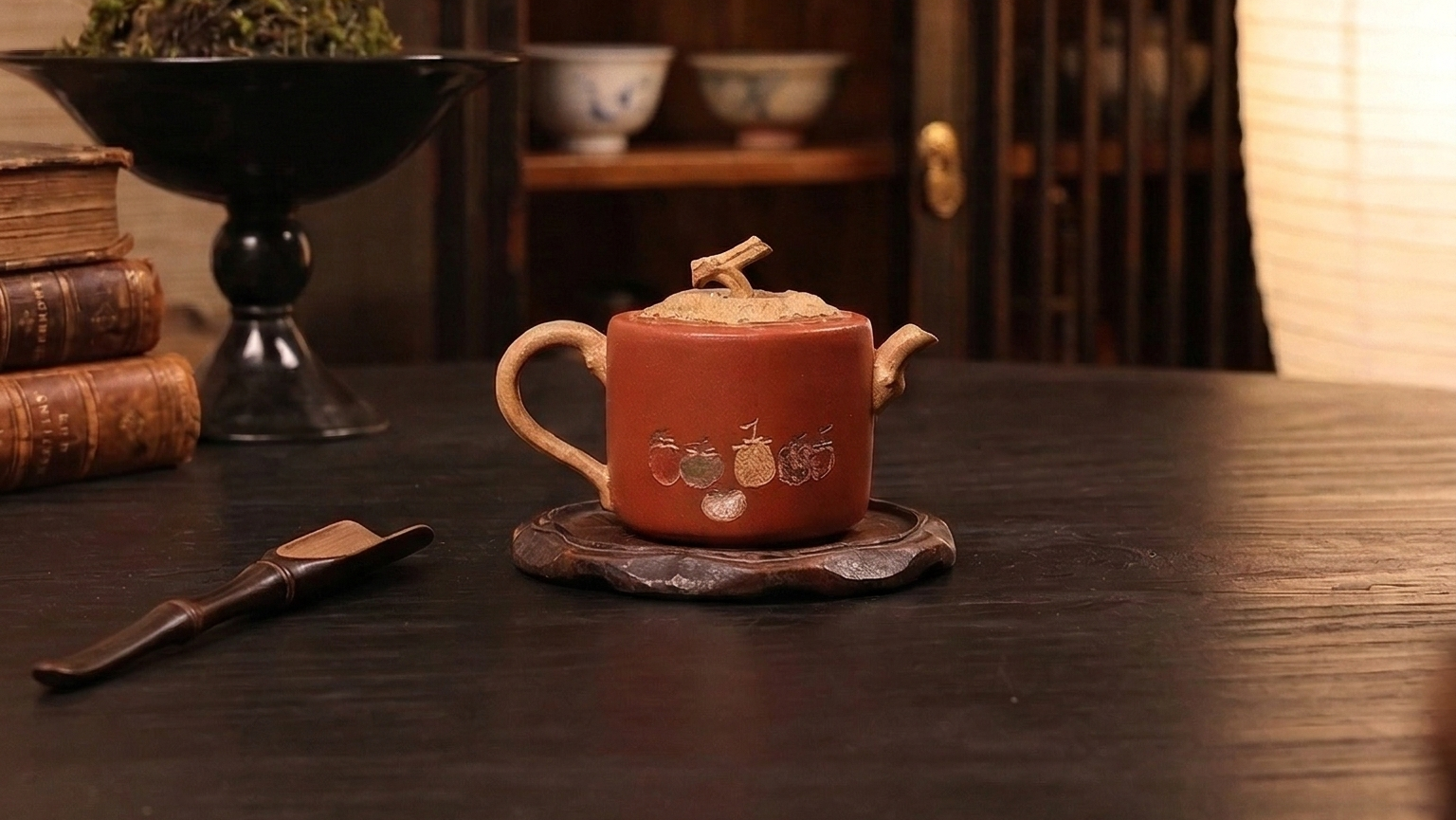
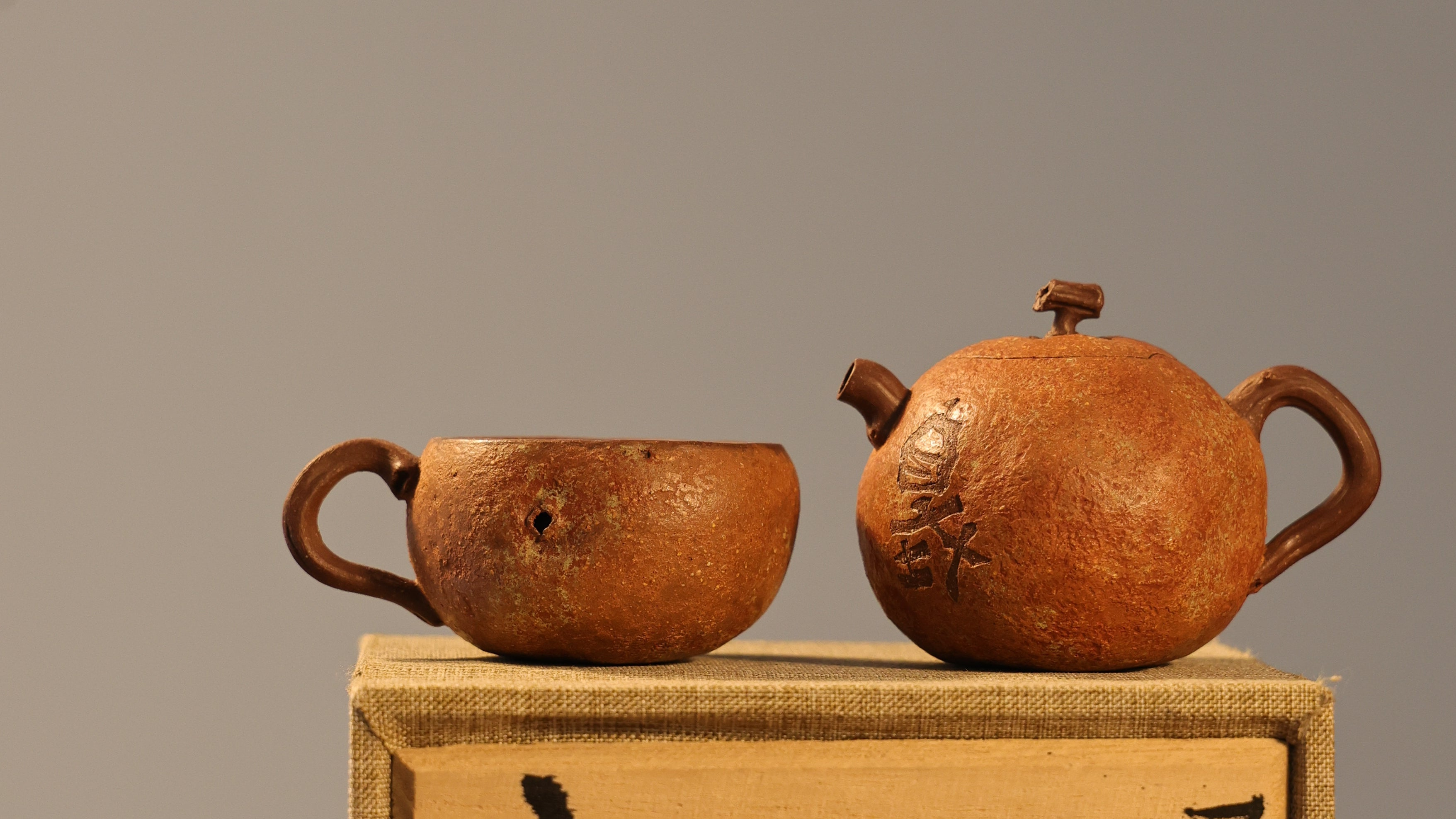
Yixing Zisha teapots possess an unmatched allure relating to curators globally. These outstanding terra cotta vessels, emanating from the singular Issing territory inside Jiangsu territory, China, serve as more than just tea apparatus; they function as works artistic beauty and cherished significance. Distinct finely sorted clay, known referred to as Zisha, imparts a delicate flavor upon the tea, and the fancy designs, often casting traditional Chinese elements, enhance their inherent value. Possessing a genuine Yixing Zisha teapot presents a gratifying journey, demanding careful inspection and an cognizance of the diverse factors influencing their uncommonness.
Examining Yixing Clay Pots
Issing earthenware pots boast a fascinating past deeply interwoven with Chinese traditions. Originating in Yixing, Jiangsu region, these pots are crafted from a unique, porous purple terracotta found only in that particular location. Their progression began during the Ming reign, with master potters refining the practices over years. Assorted types can be seen, including the classic Hexiang (resembling crab shells), Zhuni (red-brown hue), and Duan Ni (stone-studded) – each with distinctive features. The significance of an Yixing pot isn't solely based on its size or trim, but also Yixing Zisha Teapot on the maker’s reputation, the clay's quality, and the container’s age and condition. Devotees often seek out older examples, believing they impart the character of the drink brewed within them over time, further adding to their reputation.- Original Pots
- Coppery Pots
- Granite-Dusted Pots
Zisha Teapot Mastery: Handiwork & Methods
An creation of Zisha teapots represents a apex of Chinese ceramic craftsmanship. Experienced artisans employ longstanding techniques, often passed down through generations, to unlock the full capability of this unique clay. Practices involve meticulous molding by hand, often combined with the wrapping method, followed by precise kilning at incredibly elevated temperatures in wood-fired kilns. Beautifying is equally crucial; artists utilize intrinsic clay colors and may incorporate incising work to depict intricate scenes or patterns, demonstrating a profound understanding of the material’s characteristics and presence. The conclusion teapot isn't merely a vessel for tea, but a testament to a significant cultural lineage.
Traditional Teapots: The Summary to Yihsing 紫砂
Investigating the world of Traditional teapots generally starts with Yixing Zisha. These exceptional clay earthenware are formed from a specific type of clay located only in the Yixing region of Jiangsu Province province. Recognized for its singular reddish-purple hue and exceptional properties, Zisha clay gives a nuanced flavor to the tisane and progresses with age, forming into a cherished heirloom. Owning Yixing Zisha pots is more than just holding a stunning object; it’s a recognition of history and expertise.
Looking at exclusive Stoneware: Validity & Enhancement
Engaging in the arena of Yixing Zisha pottery can be both rewarding, but requires a keen eye. Authenticity is paramount; many imitations exist, generally ingeniously assembled. Familiarizing oneself about ancient roasting approaches, special terracotta traits, and the hallmarks of renowned artisans is wholly imperative. Over and above, knowing the intricacies of the market direction – influenced by determinants such as classical consequence and the appearance of the item – is paramount to advantageous buying.
- Examining kiln trajectory.
- Requesting specialists for authentication.
- Estimating commerce fluctuations.
Unique Technique of Making with a Zisha Container
A unique allure of a Zisha apparatus lies not just in its lovely appearance, but also in its significant impact on the character of the drink. These traditional clay brewing pots, sourced from unique regions of China, possess a natural porosity that delicately interacts with the solution and leaves, imbuing the tea with a light character. Mastering the technique requires a diligent approach, understanding how the earthen material responds to assorted thermal conditions and vegetative types, ultimately leading to a indeed rewarding tea-drinking encounter.
Maintaining Own Heirloom
Proper management of your Yixing vessel is crucial to extending its viability. These prized teapots, crafted from rare Yixing clay, accrue a character over decades that improves their merit. Frequently rinse the inside surface with clean water, avoiding cleaning agents, and never use intense scrubbing tools. Some gentle buffing with a delicate cloth can facilitate in doing away with residue. Allow your urn to completely dry prior to each preparation
Unlocking Terracotta: Elements This Clay Pots Exemplify Unique
The acclaimed appeal of Yixing teapots starts from the distinctive properties of Purple clay, harvested solely near Yixing, the Memorable Chinese region. This outstanding clay, classified as ferruginous mud , possesses a unusual combination of ingredients that, as years pass, absorb the aroma of the beverages it embraces. This generates a one-of-a-kind fragrance for each pot, transforming it a merit far outperforming its original price and resulting to their coveted status among devotees.
Spotting the Appropriate Regional Teapot: A Yixing Clay Manual
Venturing into the world of Zisha clay teapots can feel complex, but understanding the principles is crucial to identifying a cherished piece. This variety of clay, sourced predominantly from the environs of Yixing, Jiangsu, is renowned for its unique porosity and ability to improve the flavor of the tea over time. Appraise the outline, the saturation, and the presentation; a valid Zisha teapot is more than just a jug; it's a handmade piece and a illustration of historic culture. Seek the stamp of the craftsman for clues to its history and potential importance.